
The iOS 26.2 release date is becoming a major point of interest as Apple continues its trend of impactful late-year updates. Unlike older mid-cycle versions that delivered small fixes, iOS 26.2 signals Apple’s growing focus on refining interface behavior, enhancing machine-learning models, and improving device performance. With iOS 26 introducing Apple’s unified platform numbering, the upcoming iOS 26.2 release date gives users clearer insight into how the software will evolve throughout 2026. As anticipation builds, many are watching the iOS 26.2 release date closely to understand what new refinements Apple plans to deliver next.
This analysis examines the expected release window, the major refinements under development, device compatibility considerations, and whether users should install the update immediately once it lands.
Apple’s Release Rhythm: What Past Cycles Reveal
Apple’s annual cadence has become predictable in one respect: major updates in mid-September, followed by a more substantial “.2” update in December. Over the last few years, this pattern has repeated with minimal deviation. For instance:
- iOS 17.2 arrived in December 2023
- iOS 18.2 landed in December 2024
- iOS 26.1 shipped in October 2025
Because Apple typically pushes its release candidate (RC) versions roughly a week before public rollout, the timing of the iOS 26.2 RC is informative. Industry watchers such as MacRumors, Forbes columnists tracking the beta program, and several independent developers noted the RC becoming available on December 3, 2025. That timing aligns closely with Apple’s established practice of releasing the final version within 7–13 days.
This consistency minimizes speculation: the company rarely shifts a mid-December schedule unless a major regression appears.
Most Probable Release Window for iOS 26.2
With the RC in circulation and no reports of critical, last-minute bugs, the most realistic release window for iOS 26.2 falls between December 8 and December 16, 2025. Apple historically avoids pushing updates during the final holiday stretch, largely due to support staffing and the increased risk of disruptions when users travel.
While a late-December launch is technically possible, the available evidence does not point in that direction. Developer logs, regional tech publications covering the build timeline, and beta-tester communities show no indicators of delays. The early-to-mid December target remains the most statistically consistent based on at least five years of Apple’s update behavior.
Why Apple Is Releasing a Mid-Cycle Update This Size
Even though iOS 26 introduced sweeping structural changes—new personalization layers, animation frameworks, and expanded AI assistance—Apple continues to treat the .2 update as a refinement phase. Mid-cycle releases usually incorporate:
- Adjustments to underlying health algorithms
- Corrections to system-level animations
- Re-tuning of interface behaviors
- Improvements to app reliability based on telemetry
Beta notes for iOS 26.2 reference UI smoothness, lock-screen responsiveness, and stability improvements across first-party apps. In addition, Apple appears to be using this release to further align iOS with iPadOS, particularly in areas such as multitasking and visual consistency.
Interface Improvements and Visual Refinements
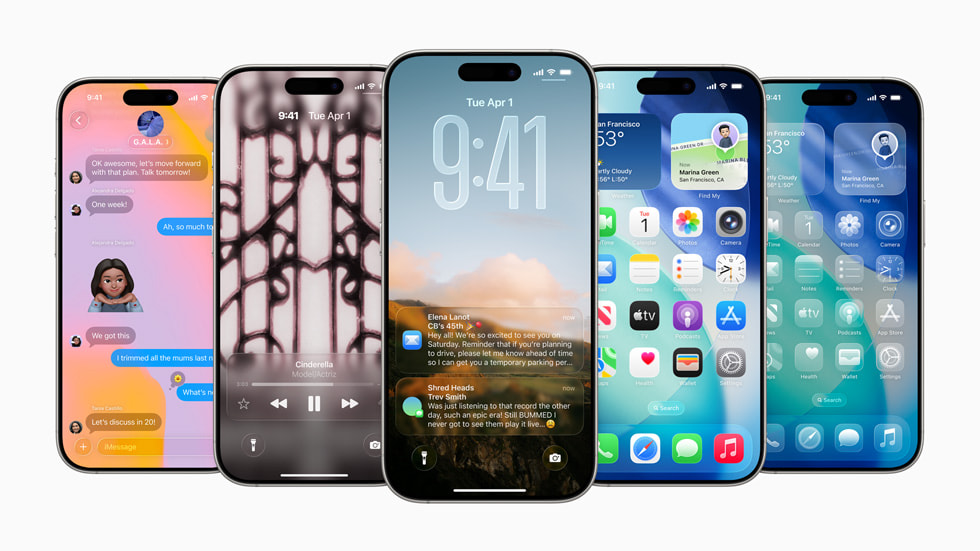
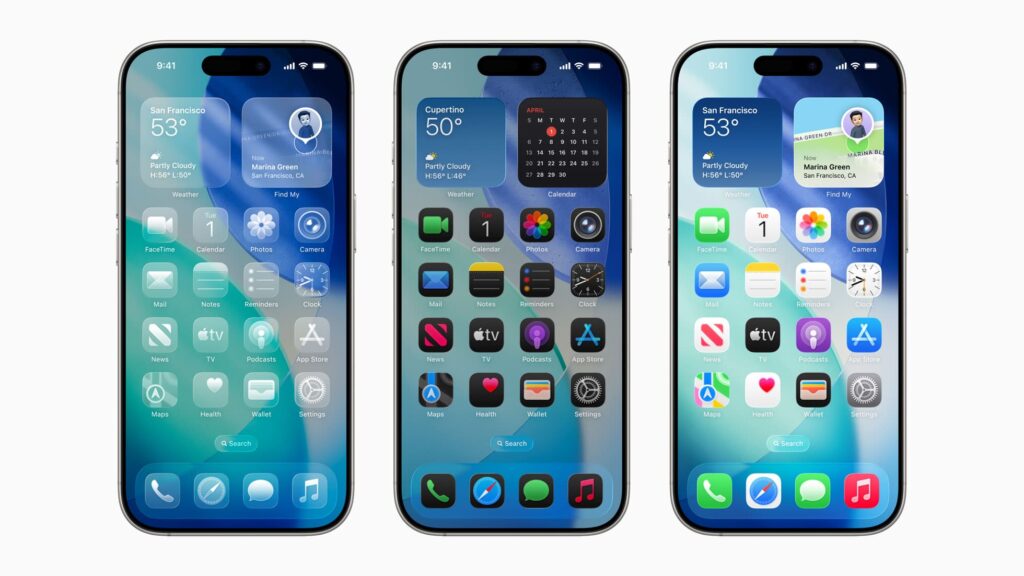
The most noticeable upgrades arriving in iOS 26.2 involve interface polish. Apple’s Liquid Glass system—introduced earlier in the 26 cycle as a dynamic transparency layer—has received adjustments that improve depth perception and contrast on both OLED and LCD devices. Developers tracking frame-timing metrics report smoother transitions during complex multitasking scenarios.
The lock-screen slider interaction has been fine-tuned as well. Apple has been experimenting with pressure sensitivity and motion curves to reduce accidental activations and improve one-handed use.
Animations across core apps show more cohesive timing. Early testers note that task switching, especially between camera-heavy apps like Photos or third-party editing tools, feels more consistent. These changes are subtle but collectively contribute to a more reliable visual experience.
Another addition under testing is a camera flash alert option for important notifications. This visual cue aims to help users who keep their devices silent or rely on discrete alerts in loud environments.
Health, Sleep, and Intelligence Upgrades
Apple continues refining its health algorithms with almost every major point release. In iOS 26.2, Sleep Score recalibration is one of the more talked-about adjustments. While Apple hasn’t published algorithmic details, beta testers observing nightly patterns report more precise differentiation between motion disturbances and actual sleep interruptions.
Apple Podcasts is also gaining AI-enhanced features, including improved relevance modeling. These enhancements build on the on-device learning architecture introduced in iOS 26. Testers have mentioned more accurate episode suggestions and tighter summarization behavior, though Apple has yet to confirm the full feature set.
These behind-the-scenes changes usually emerge from long-term data collected via the company’s Health Studies initiatives. With participation numbers reportedly in the millions—based on past Apple Research promotions—Apple frequently updates these models once it has sufficient data to improve accuracy.
Productivity Enhancements for iPad and Core Apps
iPadOS users often see the biggest gains in .2 releases, and this update appears no different. Early builds reflect noticeable improvements to:
- Split View responsiveness, reducing window-snapping delays
- Drag-and-drop behavior, particularly when moving Slide Over windows
- Touch latency in multitasking interfaces
These refinements support Apple’s broader push to make iPads more viable for professional workflows and work environments.
Core iOS apps also show version jumps:
- Reminders handles large lists more efficiently, which benefits users managing extensive checklists or shared collaborative boards.
- Music continues gaining layout improvements introduced in 26.1.
- AirDrop demonstrates fewer drops during large transfers, based on early network testing from community reviewers.
- Freeform receives more stability improvements—important as adoption grows in educational and collaborative settings.
- News loads personalized feeds with fewer stutters during initial launch.
Collectively, these changes suggest Apple is prioritizing consistency and reliability rather than expanding feature lists.
Performance, Battery, and Stability Gains
Apple traditionally uses December updates to refine performance, and the data available points in that direction once again. Developers using profiling tools have observed:
- Lower CPU load during multitasking
- Improved caching behavior in image-heavy applications
- Reduced animation jitter on A15 and newer chips
Battery life improvements appear modest but measurable. Users on iPhone 12 and iPhone 13 devices—who often notice aging-battery behavior more acutely—reported longer screen-on durations during the RC testing period.
Wireless stability, especially on Wi-Fi 6E networks, also appears improved. Independent testers who monitor packet-loss rates observed fewer intermittent disruptions during long streaming sessions compared to iOS 26.1. While these results vary by router and environment, the trend is positive.
Device Compatibility and Feature Limitations
iOS 26.2 supports iPhone 11 and newer, continuing Apple’s multi-year support window. However, several advanced features remain restricted to higher-tier models.
Capabilities requiring enhanced neural engines—particularly real-time AI features—appear to be exclusive to iPhone 15 Pro and later. This device-level segmentation has become more common as Apple offloads more tasks to machine-learning accelerators.
Apple’s update behavior also signals a shift in strategy: devices now default to the most recent iOS 26.x stream instead of older generations like iOS 18. This change reinforces Apple’s focus on security and ecosystem standardization.
How to Prepare Your iPhone for iOS 26.2
Before installing any mid-cycle update, a few precautions help ensure a smooth transition:
- Create a full encrypted backup using iCloud or Finder to preserve sensitive data like keychain items and health metrics.
- Free up 10–15 GB of space for temporary decompression during installation.
- Disable Low Power Mode to prevent power-saving interruptions.
- Check installed profiles if you previously used beta software, since migrating between branches can slightly increase download size.
- Corporate users should verify whether their IT team has rollout restrictions via MDM.
These steps reduce the risk of failed updates or configuration conflicts.
Should You Update Immediately or Wait a Few Days?
Users experiencing stability issues on iOS 26.1—or those wanting the improved health, animation, and productivity features—will likely benefit from updating as soon as iOS 26.2 becomes available. The RC has shown no widely reported faults, which typically indicates a smooth public release.
More cautious users, particularly those with older iPhones, may prefer waiting 48 to 72 hours to observe early user reports. This approach mirrors the best practices of many IT departments, which monitor early telemetry before initiating large-scale deployments.
Why iOS 26.2 Matters in Apple’s Larger Strategy
The evolution of iOS suggests Apple is moving toward a model of continuous refinement rather than dramatic annual leaps. iOS 26.2 exemplifies this trend: a release focused not on headline-grabbing features but on tightening the foundation laid earlier in the year.
From interface polish to improved health algorithms and productivity boosts on iPad, the update reinforces Apple’s focus on long-term stability and cross-platform cohesion. As Apple prepares for its 2026 hardware cycle, these incremental changes ensure users experience a mature, predictable OS environment well before next year’s major upgrade.